


Outdoor Montessori Activities Without Toys: Seasonal Ideas for Parents
Some of the richest Montessori experiences don’t require a single toy, just time outside and the freedom to explore. In Montessori philosophy, nature is seen as a kind of prepared environment.
It offers structure, variety, beauty, and real-world feedback, all without plastic bins or planned activities.
This approach invites us to ask, “What can I give my child to do?” instead of “What can my child discover for themselves?”
And yeah, the Montessori method emphasizes freedom within limits. It gives children the space to move, choose, and lead while offering gentle boundaries and rhythm. Nature supports this balance perfectly.
So today, you’ll find seasonal, toy-free Montessori activity ideas that help children connect with their bodies, their surroundings, and their families.
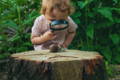
Spring Outdoor Activities
Spring is the perfect season to reconnect with nature. As the world wakes up, children naturally tune into small details like the smell of fresh soil, the sound of birds, and the sight of new flowers.
Spring activities in the Montessori spirit encourage slow observation, hands-on work, and lots of sensory exploration.
Nature Walks & Sensory Hikes
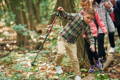
Instead оf a fast-paced walk оr hike, try a “slow walk”, one where the goal isn’t distance but discovery. Encourage your child tо stop often, tо notice the sound оf wind through trees оr the softness оf moss оn a log. Walk barefoot оn safe grass оr soft dirt tо activate tactile awareness.
Ask open-ended questions like, “What do you hear right now?” or “How does this bark feel?” These simple prompts build language and deepen sensory engagement.
During hikes, you can collect rocks, acorns, sticks of all kinds and sizes, and build a sensory bin.
If you’d like step-by-step guidance, ideas for fillers, and Montessori-aligned extensions, see our full guide: Spring-Themed Sensory Bin.
Gardening Basics
Gardening іs a natural fit for Montessori learning. Children can help prepare the soil, plant seeds, and water the ground. Use small tools that match their hands, and let them work at their own pace.
Focus on the process, not the outcome, so focus on digging, scooping, and watering all offer rich motor development and real responsibility.
If you need any more ideas, check out these Montessori-aligned gardening activities for spring.
Flower Petal Observation
If you’re in a park or garden where it’s allowed, you can ask your kiddo to collect a few fallen petals. Talk about how they feel, how they smell, how their colors compare. “Which one is softer?” or “Do they all smell the same?”
Summer Outdoor Activities
Summer invites movement, mess, and unstructured exploration. It’s a season for water, mud, and sun, perfect for Montessori-style learning that prioritizes sensory experiences, process over product, and child-led discovery.
Water Play
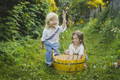
Water naturally draws children in, so it’s no surprise that most kids love water play. Set up a simple outdoor station using bowls, pitchers, sponges, or cups. Encourage pouring, squeezing, and transferring water between containers. These actions strengthen motor skills and coordination without needing a single plastic toy.
If you want to extend the activity, create a “wet pouring station” with different sizes of cups or ladles. Let the child explore without instruction and watch how naturally they begin to experiment.
Also, there are many Montessori activities to try at a beach, or try an Ocean-themed sensory bin if you want to keep your kid out of the water and in the shade while on holiday.
Mud Kitchen
All you need is a few bowls, some dirt, and access to water. Children can stir, scoop, and pretend-cook using leaves, sticks, or stones. There’s no right or wrong way, just messy, creative, open-ended fun.
Montessori emphasizes real tools and real experiences. In the mud kitchen, children are actually doing the work, not pretending. The textures, smells, and process are the lesson.
Nature Art
Nature art lets children create with what they find. Encourage them to make mandalas from leaves and stones or draw pictures with water on the pavement. You can also offer natural “paintbrushes” like pine needles, leaves, or grass dipped in water or natural pigment.
This kind of process-based art builds focus and creativity while connecting children to the natural world.

Fall Outdoor Activities
Fall brings cooler air, rich colors, and new textures to explore. It's a season full of natural transitions, which makes it an ideal time for Montessori-inspired activities focused on observation, real work, and quiet creativity.
Leaf and Rock Collection
Take a slow walk through a park or even your backyard, and invite your child to collect a few leaves or rocks that catch their attention. Talk about what they notice, like color, shape, texture, and weight.
You don’t need a goal or a craft planned. The act of noticing and gathering is the activity.
Encourage sorting by color or size, or simply line them up in a row. Children learn comparison, categorization, and care for the natural world just by handling what’s in front of them.
The rock collection will match perfectly with the idea of a fall-themed sensory box.
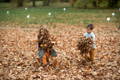
Raking Leaves
Children love real tools and real work. Provide a child-sized rake and invite them tо help gather leaves. This іs not about getting the yard spotless, it’s about developing coordination, strength, and a sense оf contribution.
Raking also introduces children to the natural cycle of the seasons and the idea that caring for the environment is part of everyday life.
Nature Bracelets
Wrap a strip of masking tape (sticky side out) around your child’s wrist. As you walk, your kid can collect small leaves, petals, or blades of grass to decorate them. It’s simple, calming, and offers a chance to slow down and notice tiny details.
Winter Outdoor Activities
Winter might seem like a quieter season, but it’s still full of Montessori-worthy experiences. Snow, ice, and bare branches offer a different kind of sensory input and invite children to observe and explore in new ways.
Animal Track Discovery
After a fresh snowfall, head outside to look for animal footprints. Ask your child what kind of creature might have left them and where they might have been going. This encourages storytelling, observation, and curiosity about local wildlife.
Even if you don’t find tracks, just walking through snow builds strength and balance and invites lots of sensory feedback.

Ice Decorations
Fill a shallow dish or a lid with water and place natural items like leaves, flower petals, or pine needles inside. Let it freeze overnight. Once solid, pop it out and hang it with a string or place it outside to observe how it changes.
This activity teaches patience, observation, and basic science, all through beauty and quiet discovery.
Snow Garden or Sculptures
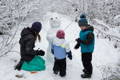
Offer your child sticks, pebbles, leaves, and let them decorate a snow mound or build a mini winter “garden.” Snow can be shaped, patted, and molded, just like clay. There’s no need for a snowman or a finished product. Let the process lead.
Year-Round Practical Life Activities
No matter the season, Montessori emphasizes real, purposeful activity. Outdoor practical life work teaches children to care for their environment, build physical coordination, and feel capable without relying on toys or structured lessons.
Outdoor Cleaning
Hand your child a small broom, cloth, or sponge and invite them to help clean patio furniture, garden tools, or steps. It’s not busy work, it’s a real responsibility. These simple tasks build hand strength, coordination, and focus, while also teaching children that they’re trusted to help.
Observation and Mindfulness
Take a few quiet minutes together outside. Sit on a bench or on the ground and simply notice what’s around you. Ask, “What do you hear?” “What do you smell?” “What colors do you see?” This kind of open-ended observation builds vocabulary and supports emotional regulation.
It’s a great habit to build into any day, no matter the weather.
Bird Watching
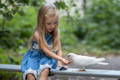
Even young children can enjoy watching birds hop, fly, or search for food. You can keep it simple or bring along a pair of child-friendly binoculars and a basic bird chart. Sit quietly together, listen, and notice patterns.
This teaches patience, attention to detail, and respect for living things, all of which are key Montessori values.
Tips for Parents
You don’t need a perfect setup or hours of free time to make outdoor Montessori play meaningful. These simple mindset shifts can help you support your child’s exploration without overthinking it.
Keep It Simple and Flexible
Use what’s already around you, like for example leaves, puddles, rocks, dirt, and shadows. There’s no need to plan a “lesson.” Children learn best through real experiences, not pre-set activities. If your child wants to dig for an hour or watch ants cross the sidewalk, let them.
The fewer expectations you bring, the more room your child has to lead.
Follow the Child
Montessori encourages adults to observe closely. Notice what draws your child in. Do they stop every time they see a bug? Do they love splashing in water or collecting flowers?
Once you see what lights them up, you can support it without taking over. Your job is to offer the space and say, “Yes, keep going.”
Be Prepared
A successful outdoor experience often comes down to preparation. Dress for the weather, bring snacks and water, and keep a small backpack with wipes, a change of clothes, and a basic first-aid kit.
The more comfortable you both are, the longer and more enjoyable your time outside will be.

Conclusion
Montessori doesn’t require fancy materials or a perfectly curated shelf because it thrives in the everyday. And when it comes to outdoor play, the natural world becomes the ideal learning space.
Whether your child is tracking bird calls in spring, scooping mud in summer, collecting leaves in fall, or sculpting snow in winter, they’re learning through movement, observation, and connection. These simple, seasonal activities support real development without toys, apps, or structured plans.
When you trust the process, slow down, and follow your child’s lead, meaningful learning happens naturally. These outdoor moments aren’t just educational, they’re memories in the making.
Looking for more ways to align your parenting with Montessori principles? Check out this guide to freedom within limits, a key concept behind every activity in this article.

Free Delivery
Over $80

Easy Returns
No questions asked

Unbeatable Warranty
1-year ++ warranty
 Secure CheckoutWorld’s most secure payment method